
Curing Concrete in Different Climates
Published . Updated .
Curing concrete in different climates means keeping fresh concrete moist and within a suitable temperature range while it gains strength. The right plan depends on the concrete temperature, sun, wind, humidity, and overnight forecast, not the season name alone.
Start planning before the truck or mixer arrives. Have covers, water, insulation, and enough help ready so the slab can be protected as soon as finishing is complete.
Match the Curing Plan to the Weather
- Hot, sunny, or windy: Reduce surface evaporation with shade, windbreaks, fogging, wet coverings, plastic, or a compatible curing compound.
- Cold or near freezing: Do not place on frozen ground. Arrange warm materials and insulated blankets with the concrete supplier before the pour.
- Dry: Start moisture protection promptly and prevent wet coverings from drying out.
- Humid or rainy: Keep a curing plan in place, protect the surface from early rain, and control runoff around the slab.
The NRMCA curing guide explains that curing controls moisture and temperature so concrete can gain strength and resist surface wear. Follow the project specification and ready-mix supplier's instructions when they are more specific.
Why Fresh Concrete Needs Protection
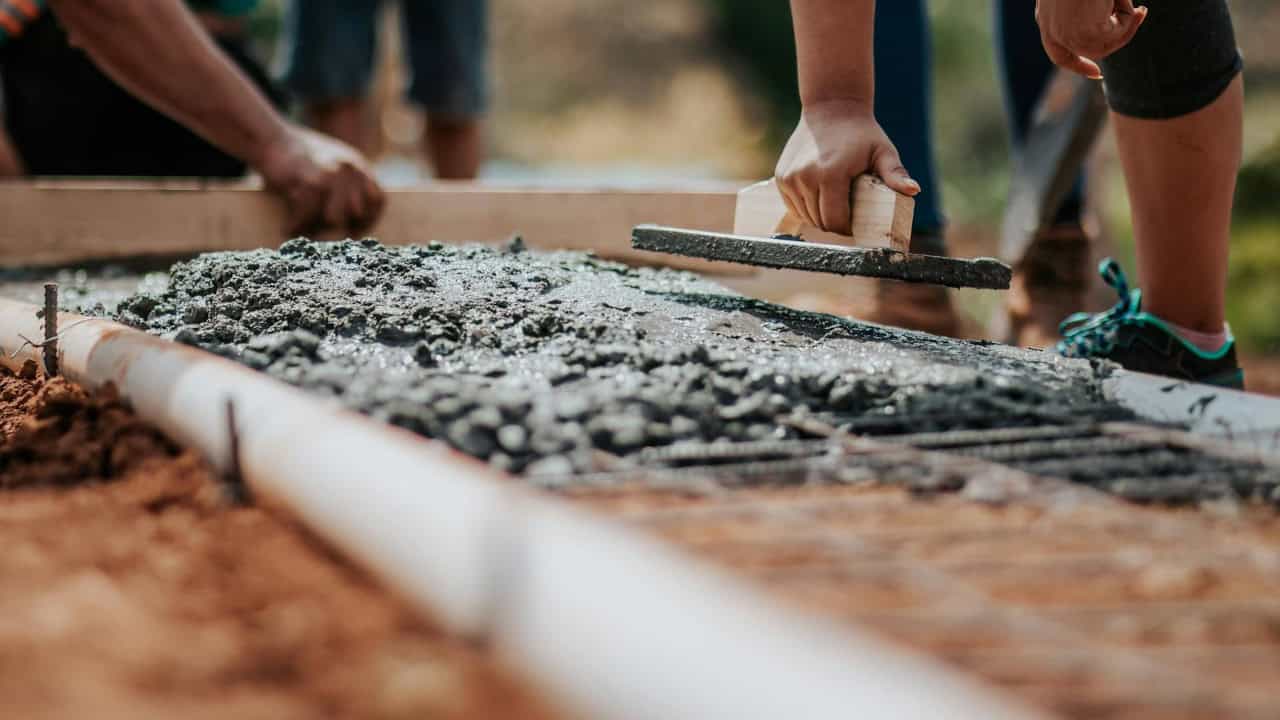
Cement and water react during hydration. If the surface dries too soon, the top can become weak, dusty, or cracked. If young concrete freezes, its internal structure can be damaged before enough strength develops.
The American Cement Association lists sprinkling, fogging, moisture-retaining fabrics, plastic, and curing compounds as common ways to keep water available or slow evaporation.
Curing Concrete in Hot, Sunny, or Windy Weather
Hot weather is a mix of conditions, not one fixed air temperature. High concrete temperature, direct sun, low humidity, and wind can speed moisture loss and shorten the time available for placing and finishing. The NRMCA hot-weather guide recommends planning around all of these factors.
- Schedule a cooler placement time: Ask the supplier when the concrete and weather conditions are likely to be easiest to manage.
- Prepare the base and forms: Dampen absorbent materials if the specification allows it, but leave no standing water.
- Set up shade and windbreaks: Protect the work area before concrete arrives.
- Start curing after finishing: Begin when the surface can accept the chosen method without being marked.
- Keep wet curing continuous: Do not let burlap or other absorbent covers dry against the slab.
Do not add water to the surface to make finishing easier. Extra surface water can weaken the top layer. Ask the supplier about admixtures or delivery changes if the concrete is setting faster than the crew can place it.
Curing Concrete in Cold Weather
Cold concrete sets and gains strength more slowly. Frozen subgrade can thaw and settle after the slab is placed, while freezing can damage concrete that has not gained enough early strength. The NRMCA cold-weather guide covers placement temperatures, insulation, and gradual removal of protection.
- Check the ground: Remove snow, ice, and frost. Do not pour on frozen soil or frozen base material.
- Coordinate with the supplier: Discuss the forecast, section size, delivery temperature, and any approved accelerator.
- Cover the slab promptly: Use insulated curing blankets suited to the expected conditions.
- Monitor under the cover: Measure the concrete temperature instead of relying only on the weather app.
- Remove insulation in stages: A sudden temperature change can stress the slab.
Use heaters only in a properly planned enclosure. Fuel-burning heaters can create fire, ventilation, and surface-quality problems, so follow the heater instructions and local safety rules.
Curing Concrete in Dry Conditions
Low humidity and wind can pull moisture from the surface even when the day does not feel very hot. Fogging above the slab, wet coverings, plastic sheeting, or a compatible curing compound can slow that loss.
Choose the method before finishing begins. A curing compound may affect a later stain, coating, or sealer, so check compatibility with the finish you plan to use.
Curing Concrete in Humid or Rainy Conditions
High humidity slows evaporation, but it does not remove the need to cure the concrete. Keep the selected cover or curing method in place for the required period.
Early rain can mark or wash a surface that has not set. Use covers that do not touch or trap runoff on soft concrete. Make sure water drains away from the forms and nearby buildings.
Choose a Practical Curing Method
- Fogging or sprinkling: Useful when water can be applied continuously without eroding the surface.
- Wet coverings: Hold moisture against the concrete, but they must stay wet.
- Plastic sheeting: Reduces evaporation and needs secure, overlapping edges.
- Curing compound: Useful when regular watering is not practical, provided it is compatible with later finishes.
- Insulated blankets: Retain heat during cold-weather curing.
Know When the Concrete Is Ready
Do not use one universal calendar for foot traffic, vehicles, form removal, or coatings. Concrete mix, slab thickness, temperature, curing method, and load all affect the timing.
Follow the supplier or project specification. If strength is critical, use an approved strength test or ask a concrete professional instead of judging the slab by color or surface hardness.
Avoid These Curing Mistakes
- Starting the pour without covers or curing materials ready.
- Letting wet burlap dry against the concrete.
- Adding water during finishing to restore workability.
- Pouring on frozen ground or leaving fresh concrete exposed to freezing.
- Removing cold-weather protection all at once.
- Using a curing compound without checking the planned coating or sealer.
If you are planning the slab itself, read the guide to pouring a concrete driveway in sections. Before sealing cured outdoor concrete, use the driveway sealer weather window calculator to check the application and drying window.
Ready for the Next Step?
Use the related guides and tools on Home Care DIY Hub to plan the job before you start.